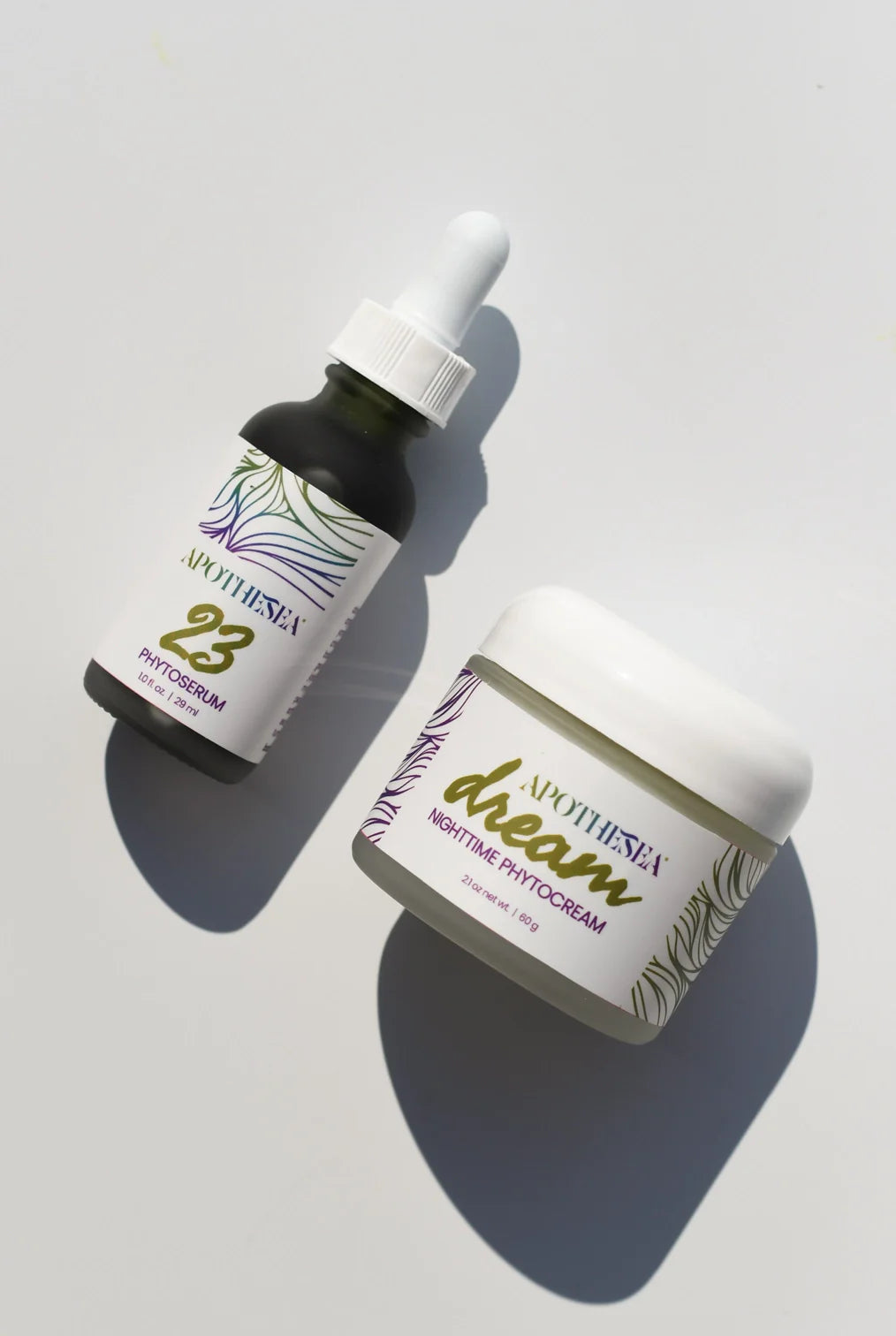



Sensitive skin often reacts more quickly to environmental changes than other skin types. Shifts in temperature, humidity, wind, and sun exposure can all affect how your skin looks and feels. Adjusting your routine based on the climate can help maintain comfort, balance, and a calm, healthy-looking appearance.
Why Climate Has Such a Strong Impact on Sensitive Skin
Sensitive skin tends to have a more delicate moisture barrier. This barrier helps protect against external stressors and maintain hydration.
When the environment changes, you may notice:
- Increased visible redness
- Dryness or tightness
- Uneven texture
- A feeling of reactivity to products
Instead of keeping the same routine year round, it is helpful to adjust based on what your skin is experiencing in the moment.
Caring for Sensitive Skin in Cold, Dry Climates
Cold air and indoor heating can leave skin feeling dry and uncomfortable. Moisture loss tends to increase, and skin may look more flushed.
What to focus on:
- Cream-based cleansers that do not leave skin feeling tight
- Rich moisturizers with botanical oils
- Layering hydration through toners and serums
- Limiting exfoliation if skin feels reactive
What it feels like when balanced:
Skin feels comfortable, soft, and less reactive to temperature changes.
Skin feels comfortable, soft, and less reactive to temperature changes.
Caring for Sensitive Skin in Hot, Humid Climates
Heat and humidity can lead to increased oiliness and congestion, while still leaving sensitive skin prone to visible redness.
What to focus on:
- Lightweight, breathable moisturizers
- Gentle cleansing to remove excess oil
- Hydrating ingredients that do not feel heavy
- Minimal layering to avoid overwhelming the skin
What it feels like when balanced:
Skin feels fresh, clear, and calm without heaviness.
Skin feels fresh, clear, and calm without heaviness.
Caring for Sensitive Skin in Windy or Harsh Conditions
Wind, altitude, and environmental exposure can make skin feel more fragile and reactive.
What to focus on:
- Protective, nourishing creams
- Barrier supporting ingredients such as botanical oils and seaweed extracts
- Covering exposed skin when possible
- Reducing the use of exfoliants during periods of stress
What it feels like when balanced:
Skin feels protected, less tight, and more resilient in changing conditions.
Skin feels protected, less tight, and more resilient in changing conditions.
Seasonal Transitions and Sensitive Skin
Transitions between seasons can be just as challenging as extreme climates. Moving from summer to fall or winter to spring often brings a temporary imbalance.
Helpful approach:
- Adjust one product at a time.
- Observe how your skin responds.
- Add more hydration before increasing exfoliation.
- Keep routines simple during periods of change.
Skin responds best to gradual adjustments rather than sudden shifts.
Ingredients That Support Sensitive Skin in Any Climate
Look for ingredients that support comfort and hydration:
- Seaweed extracts for mineral-rich hydration
- Aloe vera for soothing comfort
- Glycerin for moisture support
- Jojoba oil for lightweight nourishment
- Botanical infusions that calm the look of redness
These ingredients help maintain a balanced appearance without overwhelming the skin.
A Simple Climate Aware Routine
- Cleanse gently without stripping moisture.
- Apply a hydrating toner or infusion.
- Use a serum suited to your current environment
- Moisturize based on climate needs.
- Protect skin daily when exposed to the sun or harsh elements.
Consistency and awareness matter more than complexity.
Frequently Asked Questions
Why does my skin feel more sensitive when the weather changes?
Environmental shifts can affect the skin’s moisture balance and barrier, making it more reactive during transitions.
Should I change my cleanser with the seasons?
You may benefit from a richer cleanser in colder months and a lighter one in warmer months, depending on how your skin feels.
Can humidity make sensitive skin worse?
It can. While humidity adds moisture to the air, it can also lead to congestion or discomfort if products feel too heavy.
How do I know if my routine needs to change?
If your skin feels tight, looks more flushed, or reacts differently than usual, it may be time to adjust your products.