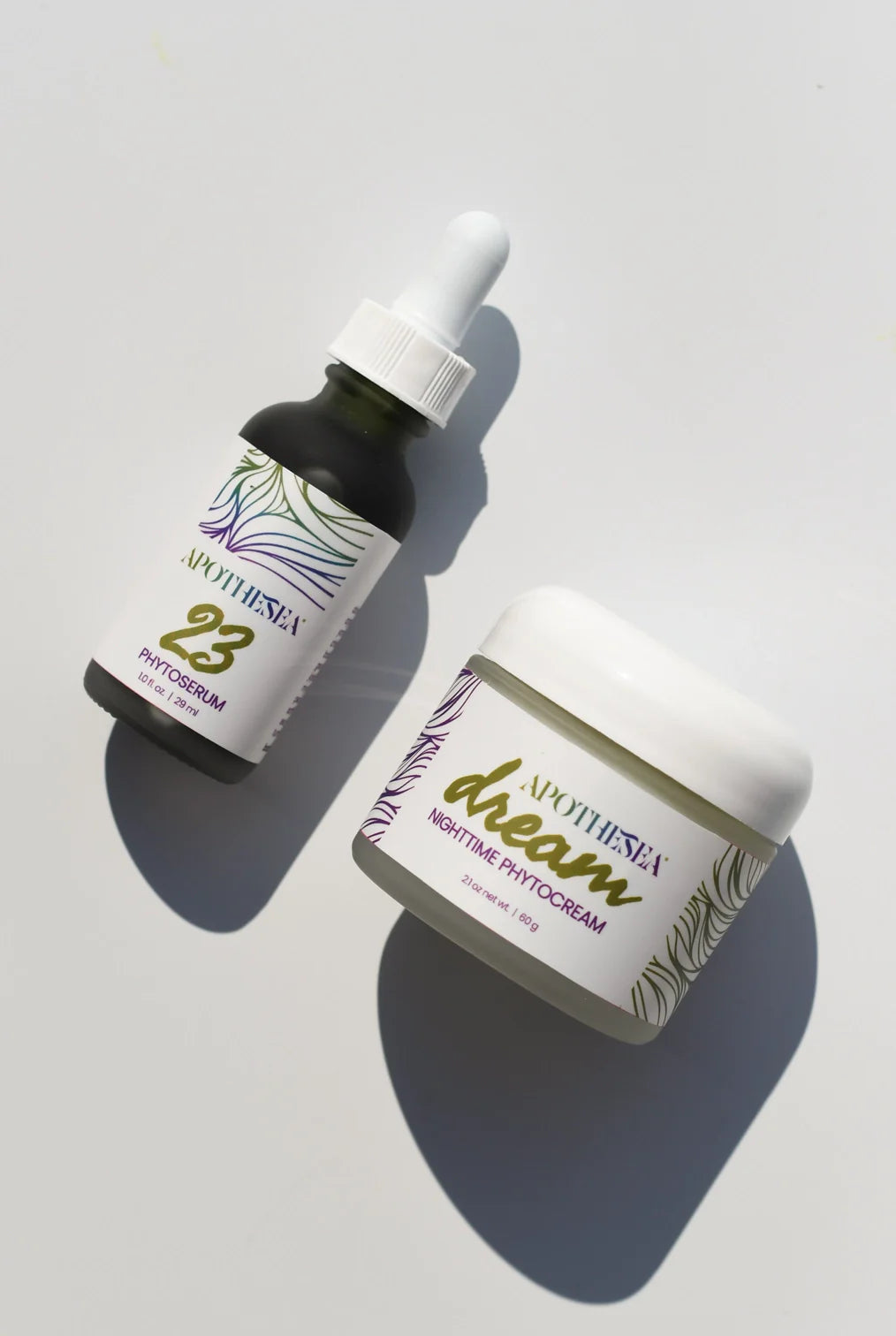



When skin looks red, flushed, or easily irritated, the ingredients in your skincare products matter more than ever. Redness-prone skin often has a weakened barrier and heightened sensitivity, which means certain ingredients can help calm and support it while others may quietly make things worse. Knowing what to use and what to avoid allows you to reduce flare-ups and keep skin feeling more comfortable and even.
Why Redness-Prone Skin Reacts More Easily
Redness-prone skin tends to have increased blood flow near the surface and a barrier that is more easily disrupted. When the barrier is compromised, skin loses moisture faster and becomes more reactive to heat, weather, stress, and skincare products.
This makes ingredient choice especially important. Gentle, supportive formulas help skin recover, while harsh or irritating ingredients can prolong redness.
Ingredients to Use for Redness-Prone Skin
Aloe Vera
Aloe vera is widely valued for its soothing and cooling properties. It helps calm the look of redness while supporting hydration, making it suitable for daily use.
Niacinamide
Niacinamide supports the skin barrier and helps improve the look of uneven tone. In lower to moderate concentrations, it is well tolerated by many people with redness-prone skin.
Green Tea Extract
Rich in antioxidants, green tea helps reduce the look of irritation caused by environmental stress. It supports a calmer, more balanced appearance.
Oat-Based Ingredients
Colloidal oat ingredients help comfort skin that feels itchy, tight, or reactive. They support barrier function and are often recommended for sensitive or redness prone skin.
Seaweed and Algae Extracts
Marine botanicals provide minerals and antioxidants that help hydrate and support skin comfort. They are often gentle and suitable for compromised skin.
Ceramides
Ceramides help reinforce the skin barrier, reducing moisture loss and improving resilience. A stronger barrier often means less visible redness over time.
Ingredients to Approach With Caution or Avoid
Fragrance
Both synthetic fragrance and some natural aromatic blends can trigger redness. Fragrance is one of the most common causes of irritation in reactive skin.
Alcohol Heavy Formulas
Alcohol can create a temporary cooling sensation, but it often dries the skin and weakens the barrier, leading to increased redness over time.
Strong Acids
High concentrations of exfoliating acids can overstimulate redness-prone skin. Even beneficial acids may be too intense when used too frequently.
Physical Scrubs
Scrubs with rough particles can cause micro irritation and worsen redness by mechanically stressing the skin.
Essential Oils
While some essential oils are soothing in very small amounts, others can trigger flushing or sensitivity. Redness-prone skin often does better with minimal or no essential oils.
How to Read Ingredient Lists More Carefully
- Look at the first several ingredients to understand the product base.
- Be cautious with long lists of active ingredients.
- Choose formulas designed for sensitive or reactive skin.
- Patch test new products before full use
Simple formulations are often easier for redness-prone skin to tolerate.
Building a Redness-Friendly Routine
Using the right ingredients works best when paired with gentle habits.
- Cleanse with mild, non-foaming formulas.
- Moisturize consistently to support the barrier.
- Protect skin from sun exposure daily.
- Avoid over-exfoliating or frequently changing products.
Consistency helps reduce flare-ups and supports long-term comfort.
FAQ
Q: Are natural ingredients always better for redness-prone skin?
Not always. Some natural ingredients can still irritate sensitive skin. Gentle formulation matters more than whether an ingredient is natural.
Not always. Some natural ingredients can still irritate sensitive skin. Gentle formulation matters more than whether an ingredient is natural.
Q: Can I use exfoliants if I have redness?
Yes, but very carefully. Mild exfoliation used sparingly may help, but overuse often increases redness.
Yes, but very carefully. Mild exfoliation used sparingly may help, but overuse often increases redness.
Q: Is fragrance-free always necessary?
For many people with redness prone skin, fragrance free products reduce the risk of irritation.
For many people with redness prone skin, fragrance free products reduce the risk of irritation.
Q: How long does it take to see improvement after changing ingredients?
Many people notice calmer skin within a few weeks once irritants are removed.
Many people notice calmer skin within a few weeks once irritants are removed.
Q: Can redness-prone skin improve over time?
Yes. Supporting the barrier and avoiding triggers can significantly reduce visible redness.
Yes. Supporting the barrier and avoiding triggers can significantly reduce visible redness.