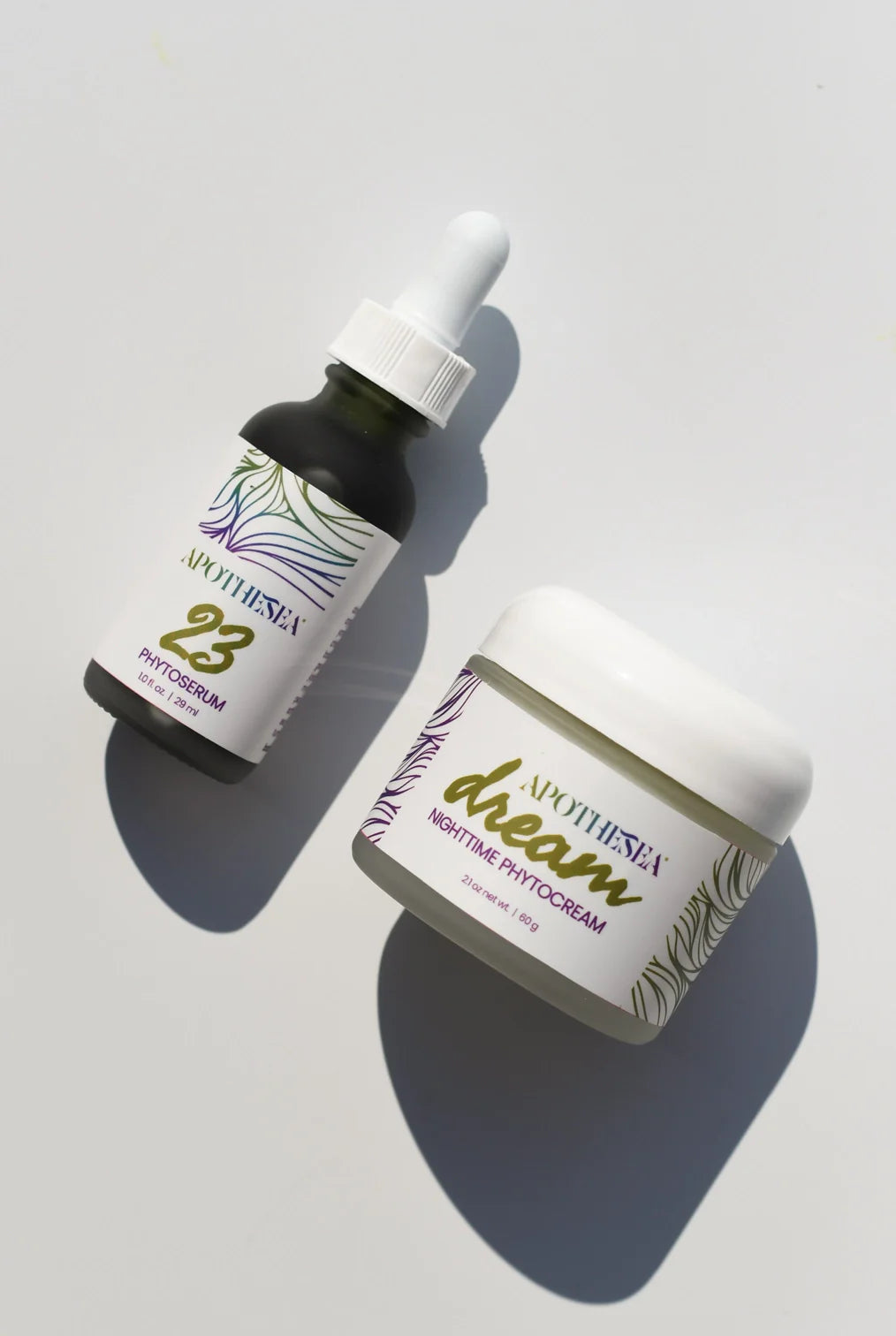


Your morning skincare routine does not have to be complicated. Its job is fairly simple: refresh your skin after a night of sleep, give it the moisture it needs, and prepare it for the day ahead.
For some people, that means three products and five minutes. Others enjoy adding a toner, serum, or another hydrating step. Both can work. What matters most is choosing products that make sense for your skin rather than filling your routine with steps simply because you think they are supposed to be there.

Before You Start, Look at Your Skin
It is easy to fall into the habit of doing the same thing every morning without really thinking about it. Before reaching for your cleanser, pay attention to how your skin feels.
Maybe your forehead and nose are a little oily. Maybe your cheeks feel dry after a cold night. Perhaps you used a richer facial oil before bed and can still feel some of it on your skin.
Those little clues can tell you quite a bit about what your skin needs that morning.
Your routine does not have to be identical every day. In fact, it probably should not be if your skin is telling you something has changed.
Start With Cleansing
For many people, the first step is a gentle cleanse.
While you sleep, perspiration, surface oil, and remnants of your nighttime products can remain on your face. Washing in the morning gives you a clean starting point for whatever comes next.
Keep it gentle. Lukewarm water and a facial cleanser suited to your skin type are usually all you need. There is no reason to scrub your face or chase that squeaky clean feeling.
When you rinse, your skin should feel fresh and comfortable, not tight.
Do You Really Need to Wash Your Face Every Morning?
This depends on your skin.
If you wake up oily or used richer products the night before, cleansing may feel great. But someone with very dry or sensitive skin may prefer a lighter morning cleanse. This is where paying attention matters more than following a rule. If your current approach leaves your skin feeling good, there is no need to complicate it.
Add Lightweight Hydration
After cleansing, a toner or toning essence can add a light layer of hydration.
This step can feel especially nice first thing in the morning, when skin sometimes needs moisture but you do not necessarily want to start with a heavy cream.
You can use a hydrating step every day or reach for it only when your skin feels like it needs a little more. There is no requirement that every product in your bathroom has to be used every morning.
Use a Serum if It Has a Purpose
Serums have become such a common part of skin care that it can feel like you are missing something if you do not use one. If you have a serum that suits your skin and you like what it brings to your routine, apply it after your lighter hydrating products and before moisturizer.
What you do not need is a collection of serums stacked on top of one another without a clear reason. One thoughtfully chosen product can be plenty.
Follow With Moisturizer
Moisturizer is where your morning routine starts to feel finished.
The texture you choose should match your skin and the way it feels right now. Someone with oily skin may enjoy a lighter formula, while dry skin may feel better with a richer cream. If you have combination skin, you might even find that different areas of your face need slightly different amounts. Season matters here, too.
A moisturizer that feels perfect during a dry January morning may feel far too rich in the middle of a humid summer. You are allowed to change products as your skin changes.
The goal is comfortable skin, not loyalty to a particular texture.
Finish With Sunscreen
Sunscreen comes at the end of your morning skin care routine, after your other skin care products and before makeup. Follow the directions on your sunscreen for application and reapplication. While toners, serums, and facial oils are optional, sunscreen deserves a regular place in your daytime routine.
What About Facial Oil?
If your skin loves facial oil, you may be wondering where it belongs in the morning.
There is no rule saying facial oils have to be reserved for nighttime, but texture matters. Pay attention to how your oil sits underneath moisturizer, sunscreen, and makeup.
Some people prefer using oils at night because they enjoy richer textures before bed. Others like a small amount during the day when their skin feels particularly dry.
If an oil makes your morning routine feel too heavy, save it for nighttime. Skin care should work with your day, not make getting ready more difficult.
If You Wake Up With Dry Skin
If your face feels tight or rough first thing in the morning, resist the urge to pile on several new products. Start small. You might use a gentler cleanser, add a hydrating toner, or choose a richer moisturizer. If the weather has recently become colder, windier, or less humid, that may be enough to explain why your skin suddenly wants more moisture.
It is also worth thinking about your nighttime routine. If you regularly wake up feeling dry, your evening moisturizer may need some attention too.
If You Wake Up Oily
Morning shine does not mean you need to scrub your face until every trace of oil is gone.
Use a gentle cleanser to wash away excess surface oil, then choose lightweight products that leave your skin comfortable. Oily skin can still benefit from moisture. The trick is finding textures you enjoy wearing rather than skipping hydration altogether.
If Your Skin Feels Sensitive
Some mornings call for less.
If your skin feels unusually sensitive or uncomfortable, this probably is not the morning to experiment with several optional products. Keep things simple. Gently cleanse or refresh your face, apply a moisturizer that feels comfortable, and finish with sunscreen.
When your skin feels more like itself again, you can bring other products back into the routine one at a time.
Think About How Your Skin Care Sits Under Makeup
If you wear makeup, your morning skin care becomes its foundation.
Ideally, your products should leave your skin feeling comfortable without creating a heavy layer underneath foundation or concealer. If your makeup pills, rolls up, or suddenly looks heavier than usual, look at what you are applying underneath it. You may not need a different foundation. You may simply have too many layers underneath. Try removing one optional step and see what happens. Sometimes less really does work better.
Your Morning Routine Will Probably Change With the Weather
Skin does not behave the same way in every season. Cold weather, wind, and indoor heating can leave it feeling drier. Heat and humidity may make richer creams feel like too much. Air conditioning can create its own set of challenges. This is why we prefer thinking of a skin care routine as something flexible rather than fixed.
When your skin starts feeling different, make a small adjustment. You may only need a different moisturizer or an extra hydrating layer. There is rarely a reason to replace your entire routine at once.
Morning Skin Care and Evening Skin Care Have Different Jobs
Your morning and evening routines will naturally share some products, but they do not need to mirror each other. At night, the priority is taking off the day. You are removing makeup, sunscreen, excess surface oil, and everyday buildup before applying your nighttime products. Morning is about starting fresh. You are refreshing the skin, adding moisture, and preparing it for sunscreen and the day ahead. That is also why you might prefer richer creams and facial oils at night and lighter textures during the day.
Think of the two routines as partners rather than duplicates.
So, What Do You Actually Need in the Morning?
If all of this still feels like a lot, bring it back to the basics:
- Cleanse or refresh your skin.
- Add a toner or hydrating essence if you enjoy one.
- Apply a serum if it has a purpose in your routine.
- Moisturize.
- Finish with sunscreen.
That is enough. You can make the routine shorter. You can add a step when your skin needs something extra. You can use a richer moisturizer in winter and something lighter in summer.
Pay attention to how your skin looks and feels. Choose your products with a reason in mind. Then keep your morning routine simple enough that it becomes an easy part of your day rather than another thing on your to-do list.
Frequently Asked Questions
What are the most important steps in a morning skin care routine?
For most people, a simple morning routine includes cleansing or refreshing the skin, moisturizing, and finishing with sunscreen. Toners, serums, and other products can be added when they make sense for your skin.
Do I have to wash my face every morning?
Your morning cleanse can depend on how your skin feels. Someone who wakes up oily or uses richer nighttime products may prefer a full cleanse, while very dry or sensitive skin may feel better with a gentler approach.
Should I moisturize if my skin is oily?
Yes. Having oily skin does not mean you have to skip moisturizer. Look for a lighter texture that feels comfortable on your skin.
Does serum go before or after moisturizer?
Serum usually comes before moisturizer because it tends to have a lighter texture.
When should I apply sunscreen?
Sunscreen is the final step in your morning skincare routine and goes on before makeup. Follow the application and reapplication directions on the sunscreen you use.
Can I use different moisturizers in the morning and at night?
Yes. Many people prefer something lighter during the day and a richer texture before bed. You can also change your moisturizer when the weather or your skin’s needs change.