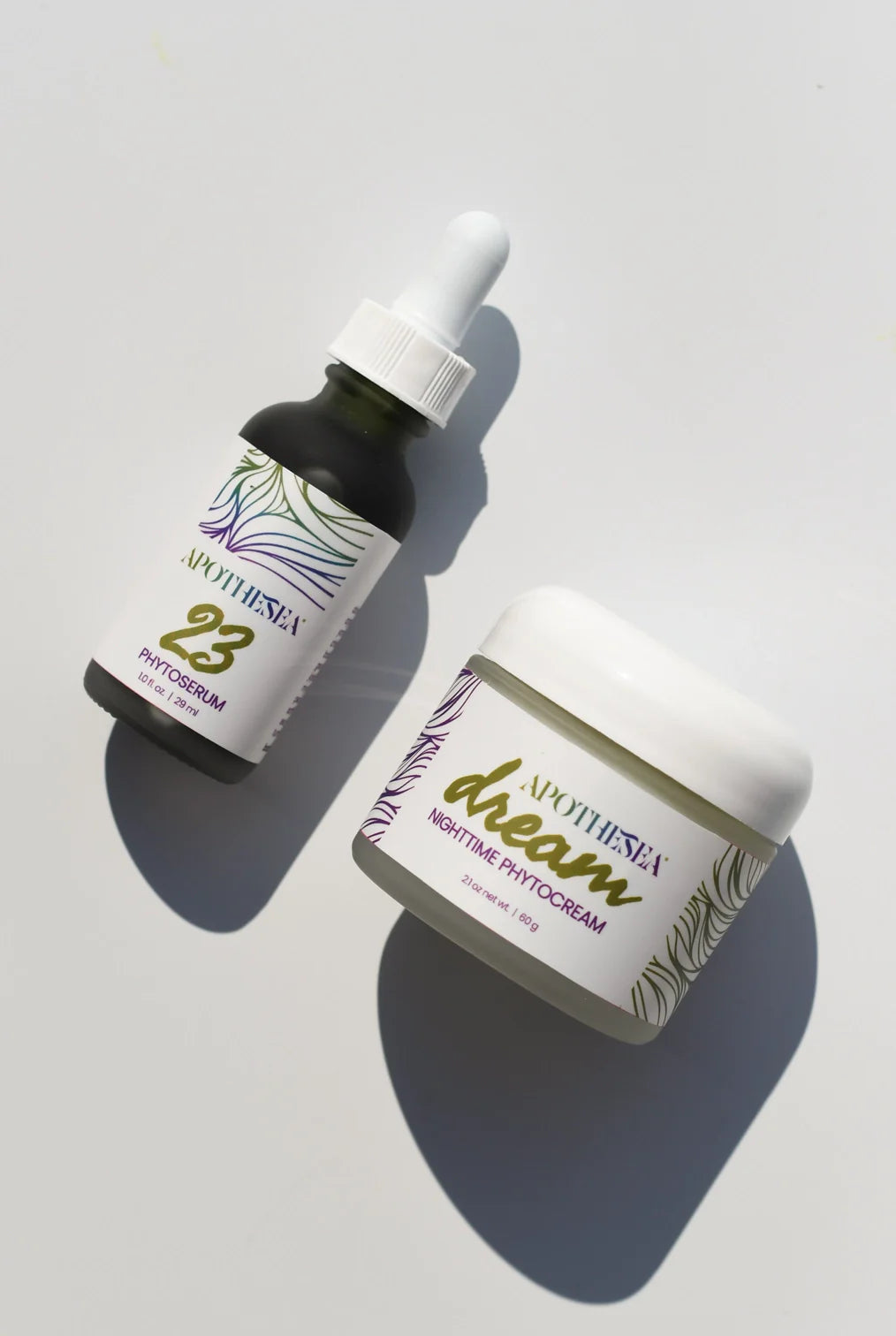


When you are ready to refresh your skin care routine, it can be tempting to replace everything at once. A brand-new cleanser, serum, moisturizer, and mask may seem like the quickest path to healthier-looking skin. In reality, making too many changes at once can make it difficult to see how your skin responds.
For most people, introducing products gradually is the simplest and most comfortable approach.
Why Gradual Changes Are Usually Better
Every person's skin is unique.
Adding one product at a time allows you to:
- See how your skin responds.
- Keep your routine simple.
- Identify which products you enjoy using.
- Build consistent habits
When several new products are introduced together, it becomes much harder to tell which ones re working well for your skin.
Start With the Basics
If you are building a routine from scratch, begin with the essentials.
Focus on:
- A gentle cleanser
- A moisturizer
- Daily sun protection
Once these products become part of your daily routine, you can consider adding products that match your skin goals.
Add One Product at a Time
Whether you are interested in a hydrating serum, facial oil, or gentle exfoliant, introduce only one new product before adding another.
This gives your skin time to become familiar with each addition and allows you to decide whether it fits your routine.
Many people find it helpful to use a new product consistently for a couple of weeks before introducing something else.
When Can You Change Everything?
There are times when replacing an entire routine makes sense.
For example:
- Your current products have expired.
- Your routine no longer fits your skin type.
- You are starting skin care for the first time.
Even then, beginning with just a few essential products often feels more manageable than immediately using six or seven new products.
Listen to Your Skin
Your skin often tells you whether a routine feels comfortable.
Ask yourself:
- Does my skin feel comfortable after cleansing?
- Does my moisturizer leave my skin feeling balanced?
- Am I happy with how my skin looks each day?
If the answer is yes, there may be no need to make major changes.
Avoid Chasing Every Trend
New skin care products appear almost every day.
While trying something new can be enjoyable, constantly replacing products may leave you with a routine that never has a chance to become consistent.
Instead, build your routine around products you enjoy using every day.
Keep Track of New Products
If you decide to add a new product, consider keeping a simple record.
You might note:
- The date you started using it
- How often do you use it
- How your skin looks and feels over time
This can make future routine changes much easier.
Consistency Often Matters Most
A simple routine that you use every morning and evening is often more valuable than an elaborate routine that changes every week.
Small, thoughtful updates usually make routines easier to maintain over time.
When to Review Your Routine
Your skin changes throughout life.
You may wish to revisit your routine when:
- The seasons change
- Your skin feels drier or oilier than usual.
- Your personal skin goals change.
- You want a simpler routine.
Making small adjustments as needed is often easier than starting over.
Build Your Routine With Confidence
There is no need to replace every product overnight.
Beginning with the essentials and introducing new products one at a time allows you to build a routine that feels comfortable, practical, and easy to maintain.
Frequently Asked Questions
Should I replace my entire skin care routine at once?
For most people, introducing products gradually makes it easier to understand how each one fits into the routine.
How many new products should I add at one time?
Adding one new product at a time is generally the simplest approach.
How long should I use a new product before adding another?
Many people choose to use a new product consistently for a couple of weeks before introducing another.
What products should I start with?
A gentle cleanser, moisturizer, and daily sun protection provide a strong foundation for most skin care routines.