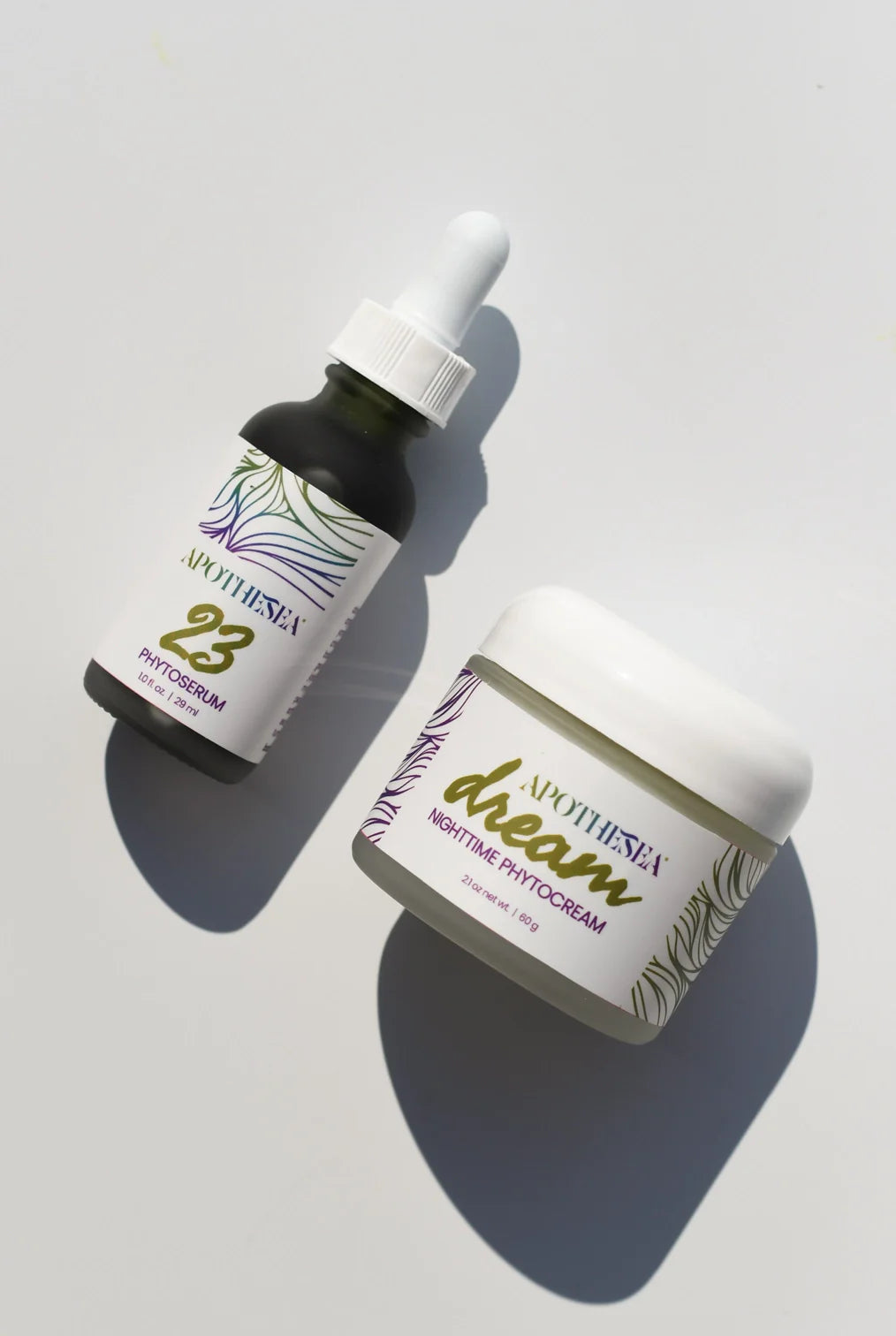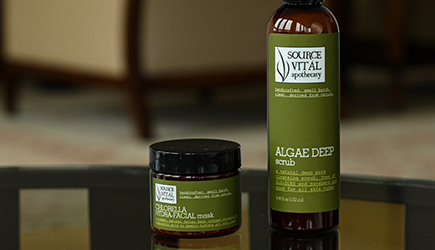



If your skin feels dry even after applying moisturizer, the issue may not be what you are using, but how you are applying it. Layering skincare correctly helps your skin hold onto moisture, leaving it feeling soft, smooth, and comfortable throughout the day.
When done well, layering builds hydration step by step rather than relying on one product alone.
Why Layering Matters for Hydration
Skin hydration is not just about adding moisture. It is about helping the skin hold onto it.
Layering works by:
- Delivering water-based hydration first
- Sealing that hydration with richer textures
- Supporting the skin barrier so moisture stays in place
This approach aligns with a holistic view of skin care, focusing on how skin looks and feels over time .
The Basic Rule of Layering
A simple guideline makes layering easy: Apply products from the thinnest to the thickest texture. This allows each product to absorb properly and work in harmony with the next.
Step by Step: How to Layer for Hydration
1. Cleanse Gently
Start with clean skin so hydration can be absorbed evenly.
- Use a gentle cleanser.
- Avoid formulas that leave skin feeling tight.
Skin should feel fresh, not stripped.
2. Apply a Hydrating Toner or Infusion
This is your first layer of hydration.
- Adds lightweight moisture
- Prepares skin for what comes next
Apply while skin is still slightly damp for best results.
3. Use a Hydrating Serum
Serums deliver targeted hydration.
Look for ingredients like:
- Hyaluronic acid
- Glycerin
- Seaweed extracts
These help skin feel plump and refreshed.
4. Add a Moisturizer
This step helps seal in hydration.
- Creams or lotions help maintain moisture.
- Choose a texture that suits your skin type.
Skin should feel comfortable and balanced.
5. Finish with Facial Oil if Needed
For drier skin types, an oil can add a final layer.
- Helps lock in moisture
- Leaves skin feeling soft and nourished
Use sparingly to avoid heaviness.
Why Damp Skin Makes a Difference
Applying products to slightly damp skin can improve how hydration is absorbed.
This helps:
- Draw moisture into the skin.
- Improve how products spread.
- Support a smoother-looking finish.
It is a small step that makes a noticeable difference.
Common Layering Mistakes
Even good products can fall short if layering is off.
Avoid:
- Applying thick products first
- Using too many heavy layers
- Skipping hydration and relying only on oils
- Rushing between steps
Taking a few extra moments allows each layer to settle.
Adjusting for Your Skin Type
Layering should feel flexible, not rigid.
For Oily Skin
- Use lighter textures
- Focus on hydration without heaviness.
For Dry Skin
- Add richer creams or oils.
- Layer multiple hydrating steps
For Combination Skin
- Use lighter layers overall.
- Add richer products only where needed.
This keeps your routine balanced and responsive.
A Simple Daily Hydration Routine
- Cleanse gently
- Apply hydrating toner
- Use a serum
- Moisturize
- Add oil if needed
Keep it simple and consistent.
Frequently Asked Questions
Do I need all of these steps?
Not always. Start with the basics and build based on how your skin feels.
Can I skip moisturizer if I use an oil?
It is best to use both. Moisturizer adds hydration, while oil helps seal it in.
How long should I wait between layers?
A few seconds is usually enough. Products should feel settled, not fully dry.
Why does my skin still feel dry?
You may need more hydration layers or a better balance between water-based and oil-based products.